New-utrition Standards for School Meals: Another critical piece of the “Healthy Kids Puzzle”

As a committed Action for Healthy Kids (AFHK) volunteer since the original 2002 Summit in Washington, DC, I was honored to write about the release of the long-awaited USDA Nutrition Standards for school breakfast and lunch on for the February issue of the AFHK Connections newsletter. This is a longer version of that article, which is no longer available one the AFHK site.

The first “re-do” of school meal patterns in many years is designed to align meals served in school cafeterias more closely with the Dietary Guidelines for Americans. The new patterns do this in several important ways:

  • Requiring more – and greater variety of – vegetables and fruits, as well as more whole grain-rich breads and cereals
  • Making low-fat and fat-free milk the standard for schools (flavored milk must be fat-free)
  • Establishing minimum – and, for the first time, maximum – calorie levels for three different groups of students (K-5, 6-8, 9-12)
  • Setting targets for reducing sodium levels in school meals from 2014 through 2023

While these are the first new school food regulations in over fifteen years, they aren’t news to school nutrition professionals. Dramatic improvements in school meals have been an ongoing process in districts large and small over the past decade. The northern Virginia district where First Lady Michelle Obama and Secretary of Agriculture Tom Vilsack announced the 2012 Nutrition Standards is an outstanding example of excellence in terms of nutrition and overall wellness.

Under the direction of Penny McConnell, MS, RD, SNS, Fairfax County Public Schools (FCPS) Food and Nutrition Services, has received numerous awards, including District of Year from the School Nutrition Association in 2010. Serving an astounding 140,000 customers daily, FCPS links cafeterias, classrooms, school gardens, and other local food sources to create a 9-5-2-1-0 Zip Code for Healthy Kids in the “Energy Zone.” The FCPS program clearly recognizes that food and nutrition are just one important aspect of raising a generation of children that is fit, healthy, and ready to succeed.
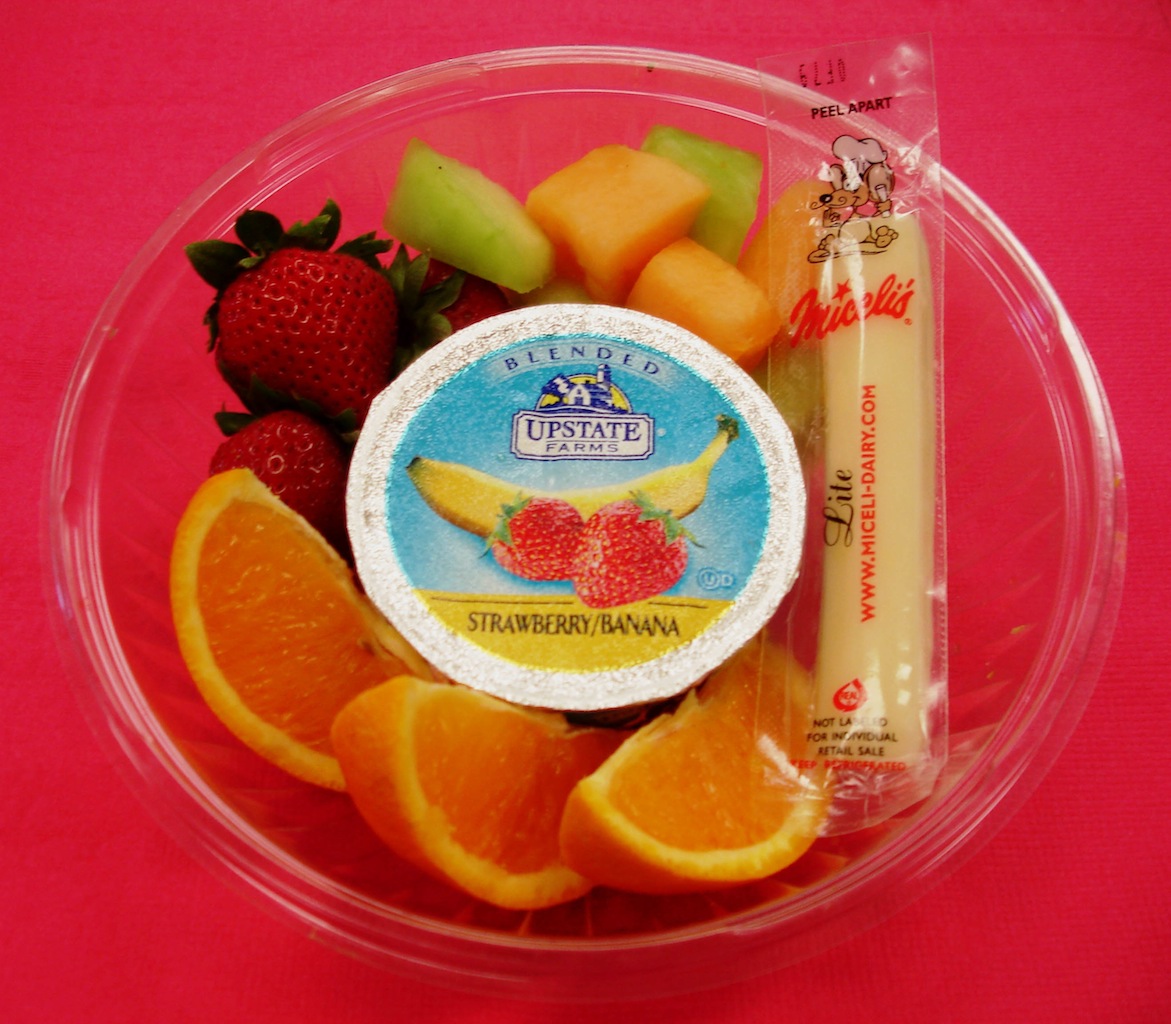
As the 2012 Nutrition Standards are implemented across the country, there will undoubtedly be many news stories about school nutrition. I believe that it is important for families and health professionals to look beyond the sensational headlines and clever sound bites to learn what is really happening in their local schools. For example, while “pizza-as-a-vegetable” became one more way to bash school meals last fall, dedicated school nutrition directors and cooks (AKA lunch ladies and gentlemen) were serving amazing pies to appreciative kids from coast to coast. Here are some of their “secret” recipes for pizza and veggies:

  • Vegetables on top of pizza: Tomatoes, peppers, onions, zucchini, and even salad! Long Beach schools on Long Island, NY, have their own pizza oven and pizza guy. They serve pizza with unlimited salad greens and encourage kids to put their salad ON their pizza – very trendy and very healthy!
  • Pizza with a side of vegetables: For their 2011 Food Day celebration last October, Foster-Glocester High School in Rhode Island served roasted squash medley with Margherita pizza (topped with fresh, local tomatoes). HEB ISD outside of Dallas, Texas, serves baby carrots and a mini-Caesar salad with a personal pizza featuring whole-grain crust and low-fat cheese.
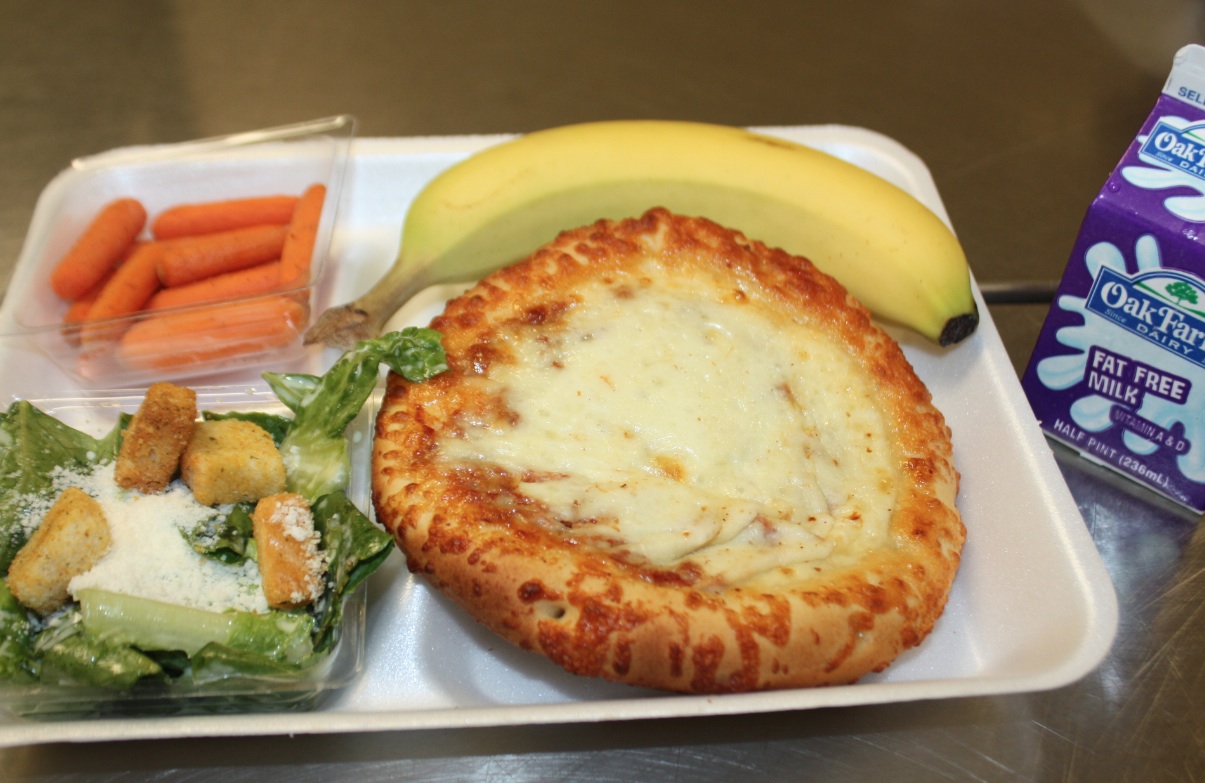
  • Produce bars with a slice of pizza on the side: From Maine to California, kindergarteners to high school seniors have greater access to fresh, often local, veggies and fruits than ever before. In the Roscommon (Michigan) Elementary school, the only problem they have with the salad bar is keeping it stocked during their busy lunch period.
  • Secret sauces with added veggies: Please don’t tell the students, but lunch ladies can be sneaky nutritionists and they are pumping up pizza sauces with all sorts of vegetables, including fresh local tomatoes and spinach, as well as herbs instead of salt for flavor.

I am in absolute agreement with the First Lady, the Agriculture Secretary, and White House Chef Sam Kass – partnerships will be essential for the successful implementation of the new Nutrition Standards for schools. I believe that we must work together – as school nutrition professionals, school food reformers, school food manufacturers, and school food regulators – so that students have access to the meals they need for strong bodies and sharp minds.

And, we must remember that nutrition is just one piece of the “Healthy Kids Puzzle.” Physical activity, sleep, and even stress reduction are essential for growing children. Fortunately, AFHK programs, like Game On! The Ultimate Wellness Challenge, ReCharge!, and Students Taking Charge, are wonderful resources for schools and communities to use in creating the healthiest possible nutrition and fitness environments for our future.

It’s Only Nutrition WHEN You Eat It: What is STILL missing from the School Nutrition Standards?

I applaud the recently issued USDA Nutrition Standards and am a huge fan of nudging students toward putting healthier options on their trays (aka behavioral economics). However, there is an incredibly important issue missing from most current conversations about food at school.

The REAL question is: How do we get all these wonderfully nutritious school breakfast and lunch meals into kids? My manta for 2012 is that is it only nutrition when a child eats or drinks it. If school food goes into a trashcan, it is garbage, not nutrition.

Let’s be honest: Most school cafeterias are not conducive to a pleasant dining experience for anyone (which is why few adults want to eat in them). Many barely give kids enough time to eat and drink what’s on their tray now (which will be more of a problem when more fruits and veggies are served under the new meal patterns). I have been in a few school lunchrooms with the feel of a prison – adults patrolling the aisles, prohibitions on talking to your friends, and stoplights when things get “out of hand.”

If, like First Lady Michelle Obama, we want to the new meal patterns to succeed in growing healthier children, we have to create more positive and pleasant mealtimes in schools. If we truly believe that school nutrition programs are critical for a healthier generation, we have to give more time and attention to HOW we feed children in school as well as to WHAT we feed them.

Three tried-and-true tips for more comfortable cafeterias from Montana Team Nutrition

1.     Schedule Recess Before Lunch

Research shows that the best sequence for children is playing, eating, then learning. When kids have Recess Before Lunch (RBL), it improves their nutrition, their behavior in the cafeteria, and their focus when they return to the classroom. From the nutrition side, they eat more entrées and vegetables – and drink more milk. Montana Team Nutrition offers a complete Recess Before Lunch: Guide to Success – a no-cost way to help close children’s nutrient gaps!

2.     Establish Reasonable Eat-tiquette Expectations

Like anything else in school, children can learn to behave well in the cafeteria. They just need to be taught appropriate eat-tiqutte – and then to have positive behavior consistently reinforced by everyone from the principal to lunchroom aides. In Welcome to Our Comfortable Cafeteria, real school staff from a real school in Gallatin Gateway, Montana, show how well this works with real kids. Bottom line: Adults need to have clear expectations, to teach them to everyone, and to reinforce them constantly.

 3.     Provide enough time and enough adult role models.

What was one of the most important things that the First Lady did when announcing the new USDA meal pattersn? She sat down at a table and enjoyed turkey tacos while talking with the students at Parklawn Elementary School. Children need enough time to eat – at least 15 to 20 minutes of seat time after getting their trays – and they will eat better when adults sit and enjoy lunch with them. The free Montana Team Nutrition Welcome to Our Comfortable Cafeteria webinar on February 21, 2012, will outline ways to create a lunchroom where administrators, teachers, aides, parents, and grandparents want to eat with kids.

We have to take a new approach to HOW meals are served in school cafeterias. The “herd-em-in/herd-em-out” mentality is not the path toward healthful eating habits. If our goal is competent eaters who make smart choices for lifetime health, we have to do better. Fortunately, for everyone in schools, Montana Team Nutrition resources provide some wonderful new road maps.

Next Steps in the Evolution of School Meals: Dedication, Innovation, and Collaboration

As you have probably heard, USDA released the long-anticipated new Nutrition Standards for school breakfast and lunch on January 25, 2012. The new regulations align the meals served in school cafeterias more closely with the Dietary Guidelines for Americans. These new meals patterns do that in several important ways:

  • Requiring more and greater variety of vegetables and fruits, as well as more whole grain-rich breads and cereals
  • Making low-fat and fat-free milk the standard for schools (flavored milk must be fat-free)
  • Establishing minimum and maximum calorie levels for three different ages groups (K-5, 6-8, 9-12)
  • Setting a 10+ year timeline for reducing sodium

While these are the first new school meal patterns in more than a decade, they are not news to school nutrition professionals. Improvements in school meals have been an ongoing process in districts large and small – long before celebrity chefs brought the issue to the headlines. The district where First Lady Michelle Obama and Secretary of Agriculture Tom Vilsack made the announcement last Wednesday is, in fact, an outstanding example of excellence in school nutrition. Under the direction of Penny McConnell, MS, RD, SNS, Fairfax County Public Schools (FCPS) Food and Nutrition Services in northern Virginia, has received numerous awards, including District of Year from the School Nutrition Association in 2010. Serving an astounding 140,000 customers daily, this is probably not the school lunch you remember. FCPS links cafeterias, classrooms, school gardens, and other local food sources to create a 9-5-2-1-0 Zip Code for Health Kids in the “Energy Zone.”

Image

DEDICATION

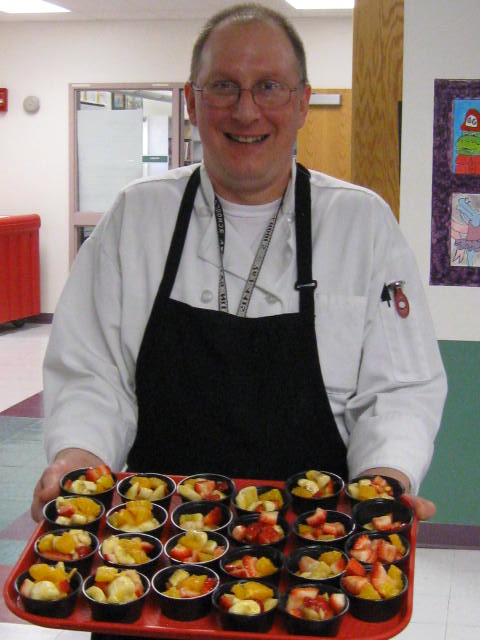
A recent USDA blog about the new-trition standards acknowledges the leadership and commitment of school nutrition professionals. I have seen this dedication firsthand from Virginia to my state of Montana. The staff at Gallatin Gateway School (185 students, K-8) just north of Yellowstone Park, have truly dedicated themselves to nutrition excellence. It’s one thing to have nutrition standards and put nutrient-rich food onto trays. However, food is only nutrition WHEN kids eat it. If school meals go into the trash can, they are garbage. But, trust me, thanks to the hard work of everyone from Superintendent Kim DeBruckyer to Chef Jason Moore, very little food is wasted at Gallatin Gateway. The meals are appealing and tasty – and the cafeteria atmosphere encourages children to try to new foods and enjoy eating with their friends. One of many reasons why Gallatin Gateway just won a Gold Award in the HealthierUS School Challenge and why the cafeteria is featured in a Montana Team Nutrition video on pleasant, positive mealtimes.

INNOVATION

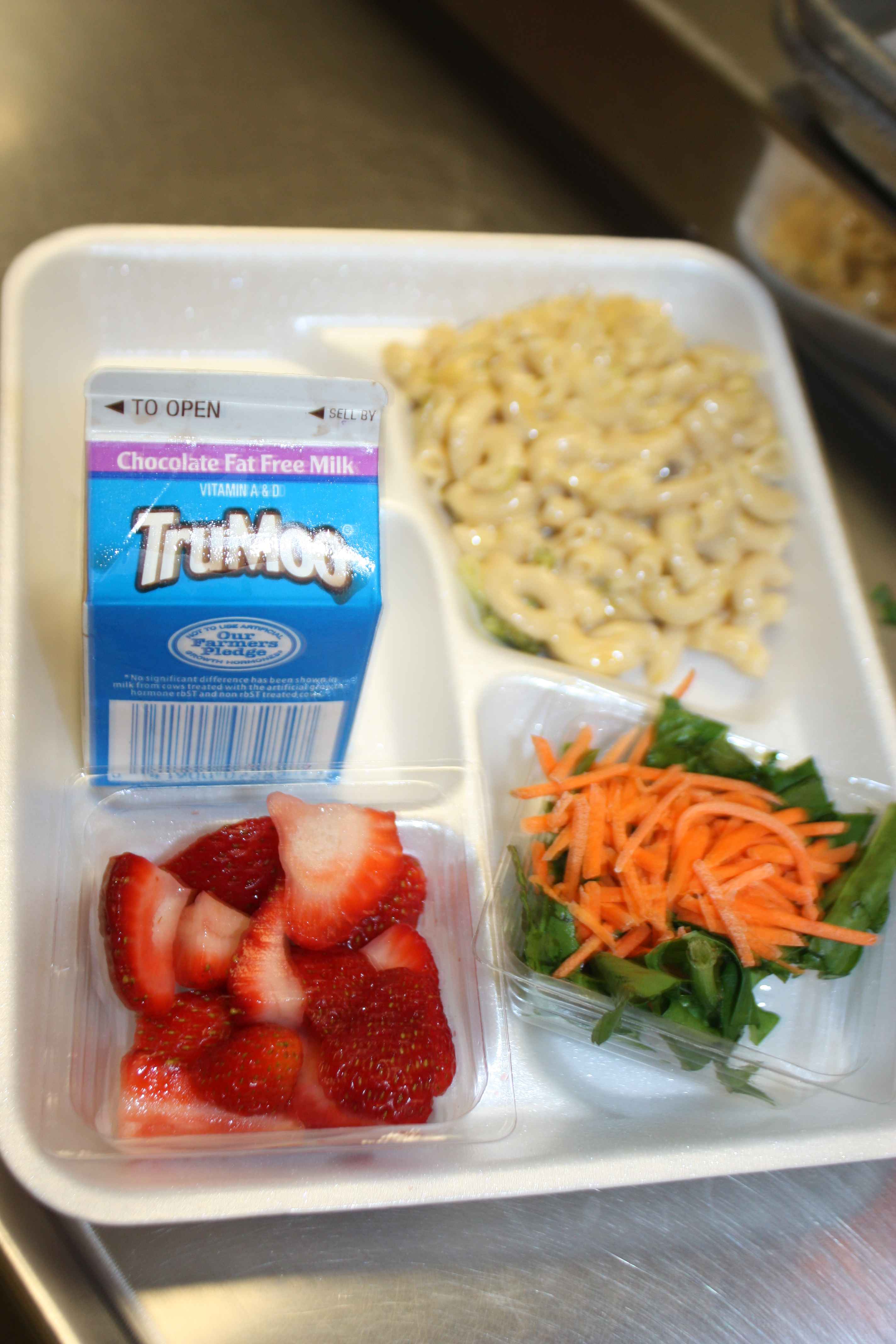
Speaking of videos, the Hurst-Euless-Bedford Independent School District (HEB-ISD) outside Dallas, Texas, uses videos to teach students how to get more fruits and veggies with their 7 Rules of the Salad Bar video. The dedicated school nutrition heroes at HEB-ISD Child Nutrition Services, led by director Mary Beth Golangco Ratzloff, MS, RD/LD, are excellent examples of innovation on many levels beyond their use of online video technology. This elementary school lunch showcases the innovation in product and preparation that will be necessary for all districts to implement the new meal patterns. The milk – fat-free and flavored – represents a dairy industry renovation that meets the nutrition standards with a taste profile that kids love to drink. The “Mac-and-Trees” (made with hidden broccoli!) uses low-fat cheese, along with an innovative high-protein, whole-grain pasta. What delicious ways to get nutrition into kids (but please don’t advertise that it is good for them)!!

COLLABORATION

I am in complete agreement with the First Lady, the Agriculture Secretary, and White House Chef Sam Kass – partnerships will be essential for the successful implementation of the new Nutrition Standards for schools. I believe that we must work together – as school nutrition professionals, school food reformers, school food manufacturers, and school food regulators – so that student will eat the meals they need for strong bodies and sharp minds. A wonderful example of the resources available to help all groups involved in schools is USDA new materials: Healthier Middle Schools: Everyone Can Help. The handouts, videos, and posters reach all school groups (principals, teachers, students, parents, and school food service) with the same positive messages.