Eat. Play. Learn. Q is QUINOA.

To celebrate the publication of Proceedings of the Learning Connection Summit: Nutrition, Physical Activity, and Student Achievement, I’m offering a short daily post during February on the ABCs of the health and academics.

Q is for QUINOA

There weren’t too many competitors for the Q word – and QUINOA has been popular in school breakfast and lunches as well as homes across the country. The versatile, gluten-free ‘pseudocereal’ is actually related to beets, spinach and tumbleweeds.

QUINOA is served in Provo (Utah) Public Schools as Black Bean, Corn and QUINOA Salad and in Windham-Raymond (Maine) Schools in a made-from-scratch Vegetable QUINOA Soup. The new cookbook from Vermont FEED – New School Cuisine Nutritious and Seasonal Recipes for School Cooks by School Cooks – features several yummy QUINOA recipes, including one for Carrot and QUINOA Muffins.

This recipe has been served Corvallis (OR) Farm to School events – and was recently very popular at a Corvallis High School Wellness event. In schools from coast to coast, students get to eat – and learn about – the hottest culinary and nutrition trends.
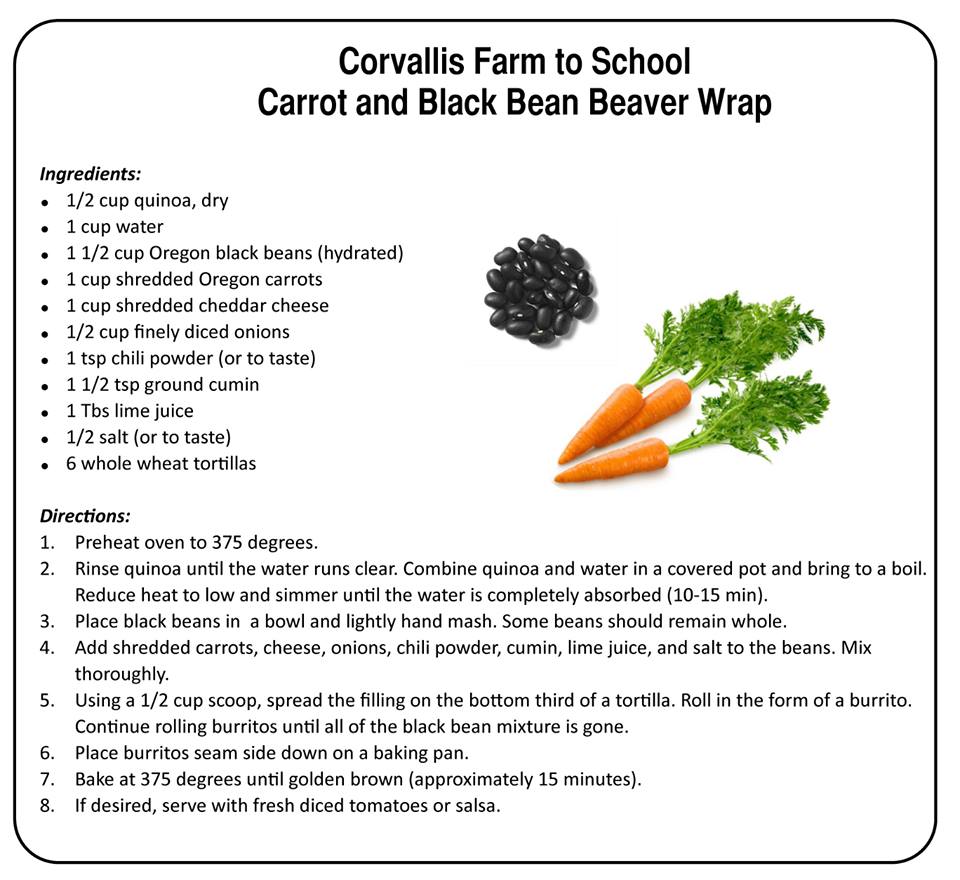
Corvallis (OR) Farm to School, Carrot, Black Bean, and Quinoa Wraps

Eat. Play. Learn. P is for PLAY

To celebrate the publication of Proceedings of the Learning Connection Summit: Nutrition, Physical Activity, and Student Achievement, I’m offering a short daily post during February on the ABCs of the health and academics.

P is for PLAY

I could hardly wait to get to P is for PLAY. I love the powerful simplicity of this graphic from Plan Australia, whose tagline is Every Child Has the Right to PLAY! As this clearly shows, having active fun is much more than mere child’s PLAY. Experts in child health, education, development and many other fields agree – PLAY is good for the body, mind and soul. The American Academy of Pediatrics – the MDs who care for children – actually have an official position on the topic: The Importance of PLAY in Promoting Healthy Child Development and Maintaining Strong Parent-Child Bonds.

Turns out that young bodies, mind and souls can benefit from different kinds of PLAYactive PLAY, free PLAY and outdoor PLAY to name a few. I am an especially big fan of getting kids outside to run, jump, explore, discover and PLAY. The National Wildlife Federation’s Be Out There website is a terrific resource for research, tips and programs to get children outside. Basically, we need to get children and adults of all ages unplugged from screens and into PLAY together – anytime, anywhere we can.

Graphic Courtesy of the Plan Australia (www.facebook.com/planaustralia)

Graphic Courtesy of the Plan Australia (www.facebook.com/planaustralia)

Eat. Play. Learn. O is for OLYMPICS

To celebrate the publication of Proceedings of the Learning Connection Summit: Nutrition, Physical Activity, and Student Achievement, I’m offering a short daily post during February on the ABCs of the health and academics.

O is for OLYMPICS

I am truly impressed by the dedication, commitment and love that most school nutrition professionals – or HEROES – have for their jobs and their customers. In a way, it’s rather like the dedication, commitment and love that athletes have for the Olympics. Lunch “ladies” and gentleman race around kitchens and cafeterias every day. Quickly changing menus when school is cancelled, figuring out substitutions when deliveries do not arrive, and then feeding hundreds of hungry children in a matter of minutes.

These every day heroes take the time to learn the students names – sometimes a manager will know the name and something personal about 400 or 500 students. They decorate their cafeterias and lines with artwork to educate and enjoy at the same time. This poster was one of several Olympic posters made by director Gen Armstrong, RD, for the Haines, Alaska, school district during the Olympic Games.

“Instead of changing the menus for the 2 weeks of the Olympics I just looked at the entree or when I was really struggling a condiment (like sour cream for Russia). I then drew their flag, listed how many medals they had going into the games, how many athletes, I then looked up a fact about the featured food, an athlete from there, and finally showed what a school lunch from that country would look like. After they have their day in the display they are taken down and hung around the cafeteria and will remain for the duration.”

Ms. Armstrong deserves a gold medal for her many achievements in the Haines Borough District. She serves Alaskan Farm-to-School produce on the salad bar – and fresh, made-from-scratch, locally-sourced mini crab cakes in the cafeterias. Now, that’s a school lunch that anyone could love. Thanks to Gen and to the thousands of school nutrition heroes for all the meals they serve – right now, somewhere in America, they area feeding the athletes training for Olympics 2018 and beyond. Go USA!

Haines (AK) Olympic Celebration

Haines (AK) Olympic Celebration

Eat. Play. Learn. N is for NO Kid Hungry

To celebrate the publication of Proceedings of the Learning Connection Summit: Nutrition, Physical Activity, and Student Achievement, I’m offering a short daily post during February on the ABCs of the health and academics.

N is for NO Kid Hungry

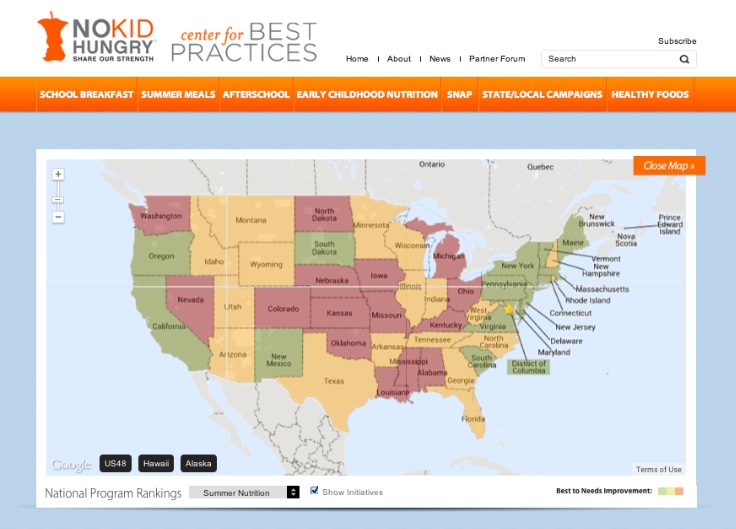
There is so much work that needs to be done. Sometimes it makes me cry and sometimes I am glad to have so many partners working to insure that NO Kid Hungry becomes a reality. This interactive State of Hunger map allows you to check state rankings and initiatives. Some states are clearly doing a better job than others; I guess I should feel better that Montana is somewhere in the middle. Honestly, I am just so sad that we live in a country that has not yet figured out how to feed all its children. NO Kid Hungry

No Kid Hungry: State of Hunger Map

No Kid Hungry: State of Hunger Map

Eat. Play. Learn. M is for MICHIGAN

To celebrate the publication of Proceedings of the Learning Connection Summit: Nutrition, Physical Activity, and Student Achievement, I’m offering a short daily post during February on the ABCs of the health and academics.

M is for MICHIGAN

I’ve had the pleasure of participating in several Michigan healthy school events over the years and I am honored to be invited back in March (23-27) to present a series of four “First Fuel” School Breakfast Challenge trainings across the state. The Michigan goal is to have 60 percent or more of free/reduced lunch participants also eating a school breakfast by 2015. The recently released Food Research and Action Center’s (FRAC) 2014 School Breakfast Scorecard found reported that Michigan’s rate of school breakfast participation is 53 percent of lunch participation – an increase of 2 percent since 2010.

While the Michigan school breakfast goal is ambitious, they have strong support and the right partners for the job. At the Michigan Department of Education, support comes from the very top, since Superintendent Mike Flanagan is a strong and vocal advocate for school breakfast as the foundation for academic success. I know several other states that wish they had such a knowledgable and supportive state superintendent! Other active partners in the “First Fuel” School Breakfast Challenge include the Michigan Team Nutrition Program, which has a extensive reach on Twitter and Facebook, as well as Michigan Blue Cross Blue Shield and United Dairy Industries of Michigan who are offering $250,000 in grants for marketing and equipment. I am looking forward to being part of the Michigan work to insure that all children are well-nourished and ready to learn.

FRIST FUEL Promotes School Breakfast

FIRST FUEL Promotes School Breakfast

Eat. Play. Learn. L is for LUNCH

To celebrate the publication of Proceedings of the Learning Connection Summit: Nutrition, Physical Activity, and Student Achievement, I’m offering a short daily post during February on the ABCs of the health and academics.

L is for LUNCH

We hear lots of talk about breakfast being the most important meal of the day, especially for children in school. And, when we talk about childhood hunger, most of the conversation is again about insuring that food insecure children have access to school breakfast. But, what about school lunch? Is lunch any less important than breakfast at school?

School lunch is just as important for focus, concentration and learning as breakfast – just in the afternoon instead of the morning. More children have access to school lunch than school breakfast, but sadly many children may not have enough time or the right atmosphere to actually eat and enjoy the lunch they are served. Experts agree that students need at least 15 to 20 minutes of seat time for lunch. Unfortunately many children have 10 minutes or less to sit and eat at lunchtime – and often the cafeteria is loud or managed more like a prison with whistles, lights out and silence for bad behavior.

The good news is that some schools are creating Comfortable Cafeterias, which encourage students to socialize and enjoy their lunch – without being pressured to eat or to hurry. I have worked with Montana Team Nutrition on resources for Pleasant and Positive Mealtimes. The goal is make cafeterias inviting places for children to eat – so that the food goes into them rather than into trash cans. It is only nutrition when they eat or drink it!

Just look at the wonderful tray that this student in Bethel, Oregon, chose on the lunch line and consider for a moment how long it will take her to eat it – even without distractions from other students and cafeteria aides! With a a beautiful lunch like this, children need time and encouragement to eat, so they can pay attention and learn in the afternoon.

First Grade Student in Bethel School District, Eugene, Oregon

First Grade Student in Bethel School District, Eugene, Oregon

Eat. Play. Learn. K is for KALE

To celebrate the publication of Proceedings of the Learning Connection Summit: Nutrition, Physical Activity, and Student Achievement, I’m offering a short daily post during February on the ABCs of the health and academics.

K is for KALE

This blog series has been less food-focused that much of my writing – since the goal was to explore more broadly on the connections between academic/school success and overall nutrition/fitness. I want to talk here about kale in a broader ‘symbolic’ sense than about it’s nutrient values or trendy culinary reputation. Although I do have to admit that a vegetable with its own national celebration is pretty cool – more at National Kale Day (where you can now download your own Kale Hero Kit!).

Kale is a hardy and versatile veggie. It’s a successful outdoors in southern winters and a grows great in northern greenhouses during the cold months as well (the photo below is a January posting from FoodCorps Massachusetts). This means that kale is perfect for school year gardens where it gives many children their first taste of dark green leaves. It is versatile in the kitchen – delicious raw in salads, cooked in soups and perhaps, most importantly, as the surprisingly crispy and popular kale chip. An article in the Huffington Post – Kale: Benefits Beyond Nutrition – got me thinking about how much this humble green is helping children learn about growing, preparing and enjoying new foods. Kale is a combination of the ultimate local food – and the gateway to a whole nutrition world.

For more about kale chips in schools, please read my HuffPo article on Kale Chips for 8,000 and Other Farm-to-school Successes by the Numbers.

FoodCorps Massachusetts at the Food Project

FoodCorps Massachusetts at the Food Project

Eat. Play. Learn. J is for JAM

To celebrate the publication of Proceedings of the Learning Connection Summit: Nutrition, Physical Activity, and Student Achievement, I’m offering a short daily post during February on the ABCs of the health and academics.

J is for JAM (Just a Minute)

How long does it take to wake up a child’s body and brain? According to the physical activity experts at the free JAM program, just a minute makes difference. The JAM School Program brings physical activity and health education into the classroom, teaching kids (and adults) healthier lifestyle habits. JAM offers a weekly one-minute activity routine called JAMmin’ Minute®, a more extensive routine called JAM Blast®, and a monthly health newsletter called Health-E-tips. Why does JAM work for schools?

  • It is fun and free!
  • Whole class does the same thing creating a sense of community and belonging.
  • The JAM routines help improve strength, conditioning and coordination.
  • Brain breaks enhances ability to focus, concentrate and learn.
  • Easily adds more physical activity minutes to the school day.

Sign up and give it a try to day – in your class or in a meeting. JAMmin’ is good for children and adults alike.

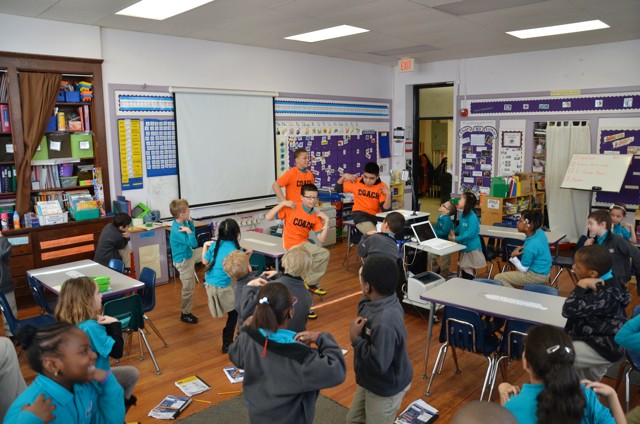
Classroom JAMmin'

Classroom JAMmin’ Minute

Eat. Play. Learn. I is for INTERNATIONAL

To celebrate the publication of Proceedings of the Learning Connection Summit: Nutrition, Physical Activity, and Student Achievement, I’m offering a short daily post during February on the ABCs of the health and academics.

I is for INTERNATIONAL

With all the current Olympic coverage, I’ve been thinking international school foods and looking forward to International School Meals Day 2014. In promoting the second year of this event, USDA Yibo Wood emphasized the learning connection – facts that bypass any border.

“A hungry or emotional child cannot develop physically, mentally or emotionally. Healthy eating habits provide the optimum mental and physical health for children and, once established, last a lifetime.”

The theme for this year’s celebration is Food Stories. Check out International School Meals Day 2014 and get involved, find resources and share practices.

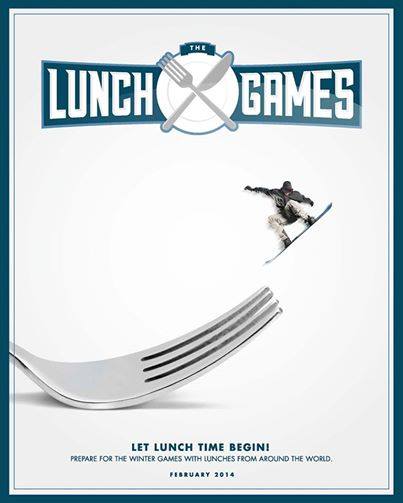
Speaking of the 2014 Olympics and great food stories, Gwinnett County (GA) Public Schools has a fantastic promotion this week. The Lunch Games has delicious options based on cuisines from Greek and Argentina to Italy and Russia. You can see all four lunches on the Schools Lunches That Rock Pinterest board.

Gwinnett County (GA) Public Schools 2014 Olympic Promotion

Gwinnett County (GA) Public Schools 2014 Olympic Promotion

Eat. Play. Learn. H is for HUNGRY.

To celebrate the publication of Proceedings of the Learning Connection Summit: Nutrition, Physical Activity, and Student Achievement, I’m offering a short daily post during February on the ABCs of the health and academics.

H is for HUNGRY

When I hear that schools are closed for days in a row, my immediate thought is about what those children will eat when they do not have access to school meals. If children regularly come to school hungry, it means that they do not have access to food at home. And, when the weather is bad, their families may be even less able to shop for groceries or visit a food bank. Honestly, for millions of American children, a snow day may be a hungry day. Preliminary 2013 USDA data shows that an average of 18.9 million children ate a free school lunch daily and 10.1 million ate a school breakfast on average.

The numbers in the previous paragraph also tell another story as well – that is the enormous ‘breakfast gap’ of 8.8 million children who are eligible but are not receiving a free breakfast. These are the children who may to be too hungry to learn as reported in the deeply disturbing Hunger in Our Schools: Teachers Report 2013 by No Kid Hungry: Share Our Strength. If nearly 73 percent of teachers regular try to teach hungry children, we are a very serious educational problem in our schools. The simple fact is that hungry children cannot focus, concentrate and learn. School breakfast is one obvious solution and I applaud the administrators and educators who are ramping up their efforts to expand the program. Michigan State Superintendent of Schools Mike Flanagan is is a true nutrition hero for promoting the “First Fuel” Breakfast Challenge in his state – and I am proud to be part of the Michigan Team Nutrition training for this effort. Too hungry to learn is unacceptable for any child in Michigan, Montana or any other US state.

SHARE OUR STRENGTH’S TEACHERS REPORT 2013

SHARE OUR STRENGTH’S
TEACHERS REPORT 2013