Dear Katie Couric: Let’s Do School Lunch

Dear Katie Couric,

My friends and I would like to invite you to lunch in some very trendy, very healthy – but clearly undiscovered – dining rooms around the country. We heard your recent Good Morning America comments that “50% of school districts serve junk food for lunch, fast food for lunch. Kids are getting terrible choices.” We are delighted to tell you that nothing could be farther from the truth.

The real news about school lunch is that 30+ million students enjoy amazing choices every day. Thanks to the 2010 Healthy Hunger-Free Kids Act, dedicated school nutrition professionals and thousands of health, nutrition and community partners, kids now have access to a truly amazing variety of:

  • Fresh fruits and vegetables, sometimes organic, often local or even ‘hyper-local’ – straight from school garden
  • Whole grains, including quinoa, brown rice and other gluten-free options, as well as freshly baked whole wheat rolls and whole grain pizza crusts
  • Lean proteins like hummus, black bean salad and grilled tofu, boat-to-school salmon in Alaska and Montana beef for Montana schools
  • Delicious dairy products, such as Greek yogurt parfaits, berry smoothies and artisan cheeses, in addition to low-fat/fat-free milk at every meal

But, please don’t take our word for it. Come see the amazing variety and taste the deliciousness that is school lunch in America today. We’re so sorry that the Fed Up researchers did not dig deeper into the revolution in schools meals (breakfast, lunch, snacks and suppers) growing in thousands of districts.

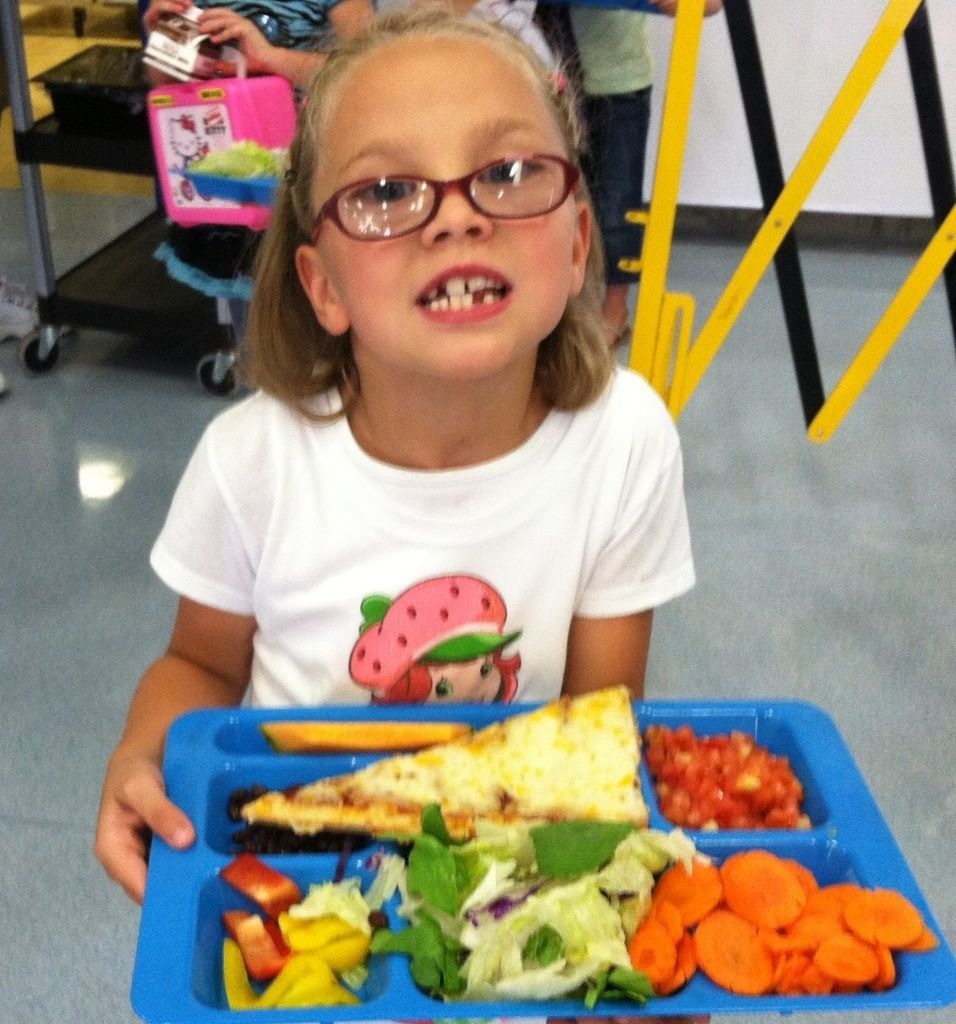
School Nutrition Professionals make daily salads. El Monte City Schools, California (May 2014)

El Monte City Schools, California: School nutrition professionals make daily salads (May 2014)

Here are a few tasty tidbits showing how well fed our children are in schools today:

  • USDA Farm to School Census: In USDA’s most recent survey (SY 2011-12) schools invested $354,599,266 in local economies by purchasing local foods.
  • National Farm to School Network: More than 1,000 local food champions recently met in Austin to celebrate and ‘power up’ for expanding programs.
  • USDA HealthierUS School Challenge: 6,730 schools in 49 states and DC have met rigorous nutrition and physical activity criteria for these awards.
  • Food Corps: This nationwide team of 140 passionate service members and fellows in 108 sites connects kids to real food to help them grow up healthy.
  • Chefs Move to Schools: Hundreds of chefs now work in school programs, as directors, leaders and regular volunteers to train staff and energize kids.
  • Salad Bars Move to Schools: 1.7+ million students are eating up produce packed into 3,400+ new salad bars donated to schools from coast to coast.
  • CIA Healthy Kids: The nation’s top chefs offer culinary resources to schools so they can continue serving tasty, appealing, nutritious food to children.
  • Vermont FEED: This is one example of regional efforts with a nationwide reach to provide nutrition education and culinary training to schools.
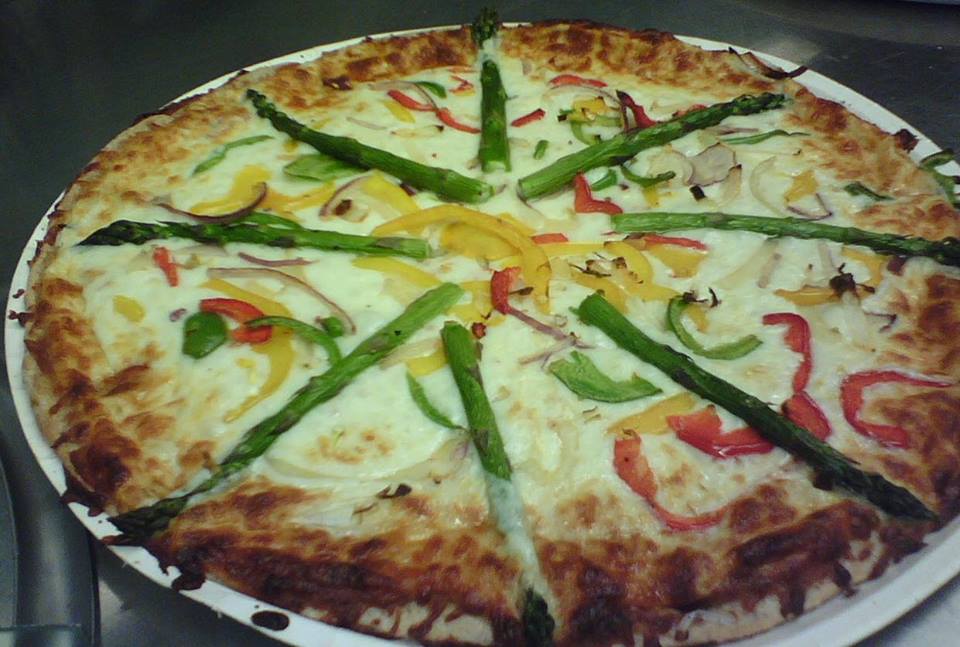
Portland Public Schools (OR): Local grilled Asparagus on Whole Wheat Pizza Crust (May 2014)

Portland Public Schools (OR): Local grilled Asparagus on Whole Wheat Pizza Crust (May 2014)

Many of us have admired your work for years – and now we would like to share ours with you! Lunch is on us – we just want you to see, and more importantly taste, the amazing changes being served up in America’s school kitchens and dining areas.

You name the date and location – and we will be there to show you how hard School Nutrition Association members work to ensure that children are well nourished and ready to learn!

Sincerely,

Dayle Hayes, MS, RD

President
Nutrition for the Future, Inc.
Billings, MT 59102

MOBILE:    406-698-8868  
EMAIL: EatWellatSchool@gmail.com
FACEBOOK: School Meals That Rock                                                                TWITTER: @SchoolMealsRock                                                                                  


Rockin’ School Meal Photos: Post It, Pin It, Tweet It, Eat It (6 of 6)

This is our sixth post about the key elements of taking school food photos that ROCK. We’ve covered Background, Quality, People, Lighting and Contrast. Our goal has been – one step at a time – to get you ready for School Nutrition Employee Week, May 5th thru 9th. Be a HERO, take some great PHOTOS of your employees, your customers and your food.

STEP #6. FOCUS. The final element is, in fact, the most important. You can have a beautiful background, high quality food, adorable children, proper lighting and gorgeous contrasting colors – but if your photo is not in focus, viewers will not get your message. The most important question is: Do you know how to FOCUS your Smartphone (or camera)? If you don’t, learn right now. To find instructions, search the model of your phone or camera and “how to focus” online. If you have an iPhone, the answer is simple: Tap the screen on the area that you want to be in focus. The phone will focus and adjust to the lighting at the same time.

THE GREAT: This photo from Sitka, Alaska, has it all. The blue tray allows the lunch to shine, even though it is not truly colorful. The meal is simple, but obviously good quality, especially when you learn the tacos are made with local fish. The student customer is adorable and clearly enjoying her lunch. There’s good contrast on the tray, nice lighting and the focus is excellent. Thanks to Sitka Conservation Society for sharing the tasty photo and their new Guide to Serving Local Fish in Schools.

Boat-to-school - AKA local fish - is popular in Sitka, Alaska

Boat-to-school – AKA local fish – is popular in Sitka, Alaska

THE MARGINAL: This photo is clearly not in focus. It does however show the rapid movement of lots of middle schoolers through a hallway and their use of a Grab-n-Go Breakfast Cart. If you decide to use a photo like this, it would be good to include another photo with better focus on the cart.

Lots of students moving past a Grab-n-Go Breakfast Cart

Lots of students moving past a Grab-n-Go Breakfast Cart

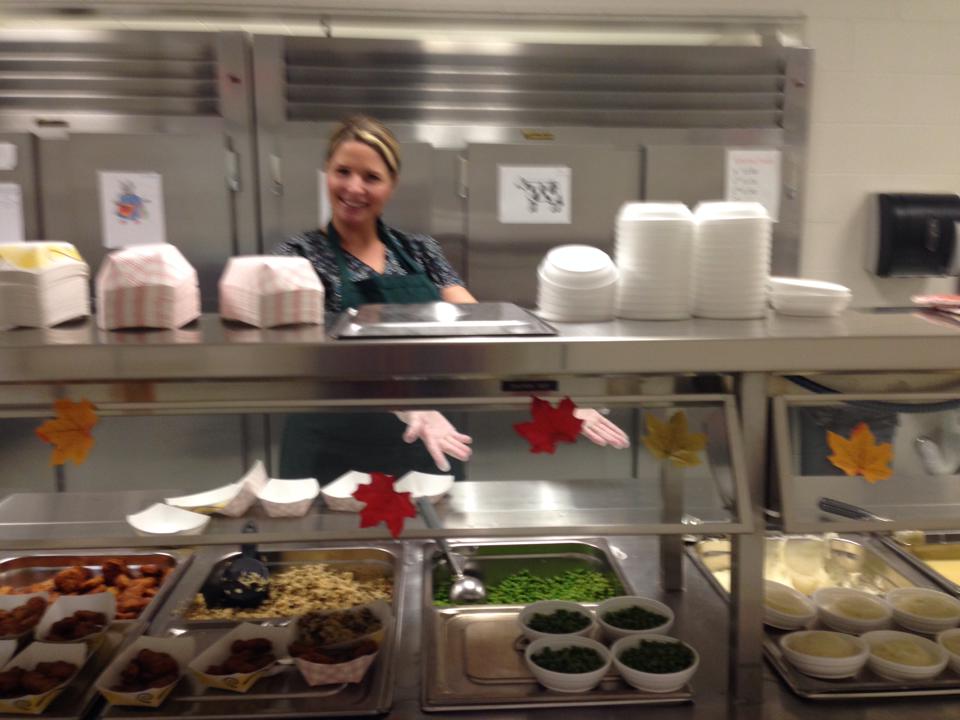
THE REAL NO-NOS: This is obviously a great lunch line with some great food options and a very proud employee. It just makes us wish that it was in focus.

A lovely line and happy employee are completely lost in the lack of focus

A lovely line and happy employee are completely lost in the lack of focus

HOT TIP: There are lots of other ways, including apps, to improve the performance of your photos on your phone. This article has 10 Tips For Taking Better Photos With Your Smartphone – and there are many more like it online. The best way to take better school food photos is practice, practice, practice – and always focus your phone or camera! 


Rockin’ School Meal Photos: Post It, Pin It, Tweet It, Eat It (5 of 6)

Have you ever thought about what really makes a food appealing in person or in a photo? It often has a lot to do with contrast. The contrasting colors of food on a tray (or plate) – and the contrast with a background color – can make a break or make the eye appeal of any meal. Setting up school food photos for maximum contrast – on color, shape and size – can make your customers eager to try your food or turn them off to your program before they even walk through the line. Today’s focus is on checking the CONTRAST of your photo before you click. We’re working hard to get you ready for great photos for School Nutrition Employee Week, May 5th thru 9th. Be a HERO, take a great PHOTO.

STEP #5: CONTRAST. This is actually very easy once you get in the habit. Every time you set up a school food photo, look for contrast. Put complementary colors next to each other and look for different shapes and sizes of food on a tray or plate.

THE GREAT: This gorgeous line of trays from Savannah-Chatham County Public Schools Schools, Georgia, almost looks like a quilt of deliciousness. Notice the bright colors of green and orange  produce, along with the rich gold and brown tones of the roll, chicken and pasta. Notice that the alternating placement of the trays provides even more visual contrast. This Chefs Move to Schools lunch featured a local chef and local Georgia-grown vegetables – and probably tasted as good as it looks.

Chefs Move to School Lunch, Savannah-Chatham County Schools, Georgia

Chefs Move to School Lunch, Savannah-Chatham County Schools, Georgia

THE MARGINAL: This is actually an incredible meal – with house-made noodles for the casserole and some local produce. However, the photo does not do justice to the meal – because there is not enough contrast among the foods and with the tray (it could POP on a blue or read tray). It also suffers from florescent lighting – and from being slightly out of focus.

Wonderful meal, not enough contrast

Wonderful meal, not enough contrast

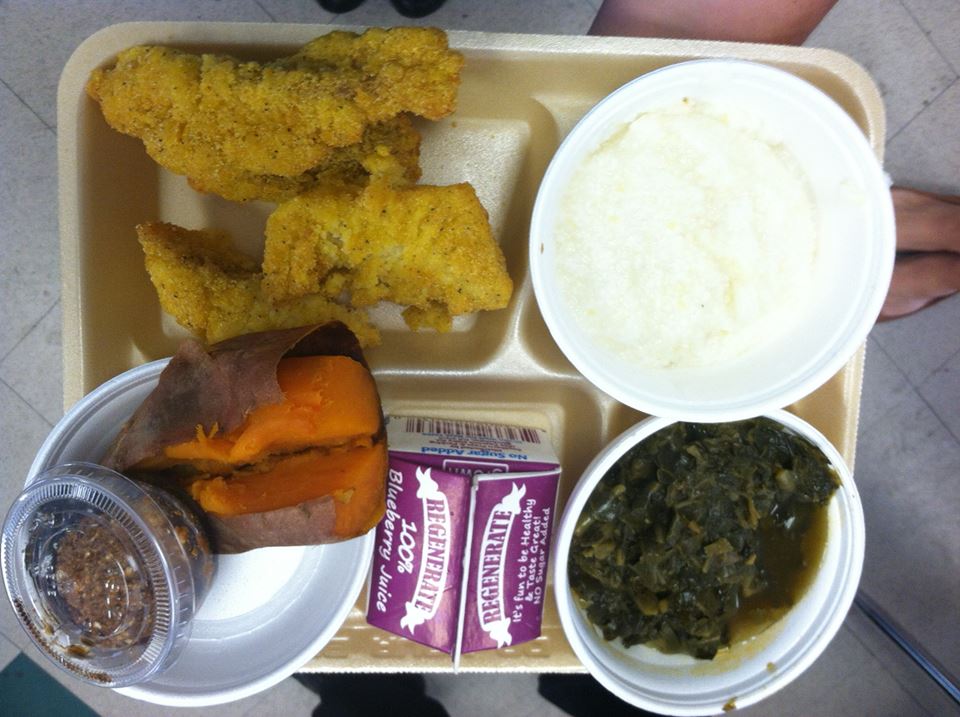
THE REAL NO-NOS: This is also a wonderful local meal – everything on the tray came from within the state where it was served. It was also incredibly popular with students in a Southern elementary school. Unfortunately, many people don’t recognize grits in the white bowl and the collards do not provide enough contrast. Viewers also cannot tell what is the container next to the sweet potato – and there is too much white and beige overall.

Poor contrast, poor lighting, too many lids and problems with focus

Poor contrast, poor lighting, too many bowls and too much white-beige

HOT TIP: Steer away from white on white – and add color whenever you can. Look for ways to contrast color, shape and size. (And, of course, flavors and textures for the lucky customers who actually get to eat the food!) The best way to take better school food photos is practice, practice, practice. 

Rockin’ School Meal Photos: Post It, Pin It, Tweet It, Eat It (4 of 6)

In today’s electronic world, great school food photos are not an option – they are essential. We are increasingly a visual society and your customers want to see your meals, not just read a few words on a monthly menu. Lucky for you, great photos are just a click away on your SmartPhone – IF you focus on SIX ELEMENTS every time you take a school food photo. We’re covering one element each day to get you ready for School Nutrition Employee Week, May 5th thru 9th. Be a HERO, take a great PHOTO.

STEP #4: LIGHTING. One of the essential elements of a great food photo is good lighting, which can be difficult under the conditions in many school cafeterias and kitchens. Florescent lighting is harsh and tends to ‘wash out’ the natural colors of food. Professional food photographers agree – natural lightening is best for food, so the answer is simple: Take food to a window or skylight to get the lighting it deserves. Here are examples of GREAT, MARGINAL and REAL NO-NOS of lighting for trays shots.

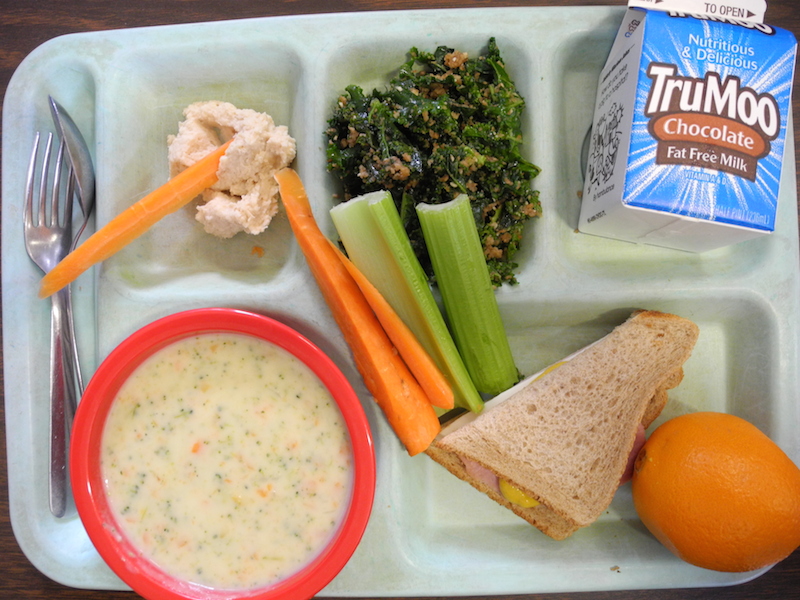
THE GREAT: Even with a less than ideal tray color, this Starksboro, Vermont, lunch shows its true colors when taken under a cafeteria skylight. The house-made broccoli cheddar soup, Tuscan kale salad and hummus were outstanding – and the carrots were still locally-sourced from a farmer in March! Many thanks to Kathy Alexander, Laura Collaro, Mollie Silver and Doreen Bortz from ANESU Food Service Cooperative for a delicious dining experience in the their cafetorium.

Lovely, home-style lunch in Starksboro, Vermont.

Lovely, home-style lunch in Starksboro, Vermont.

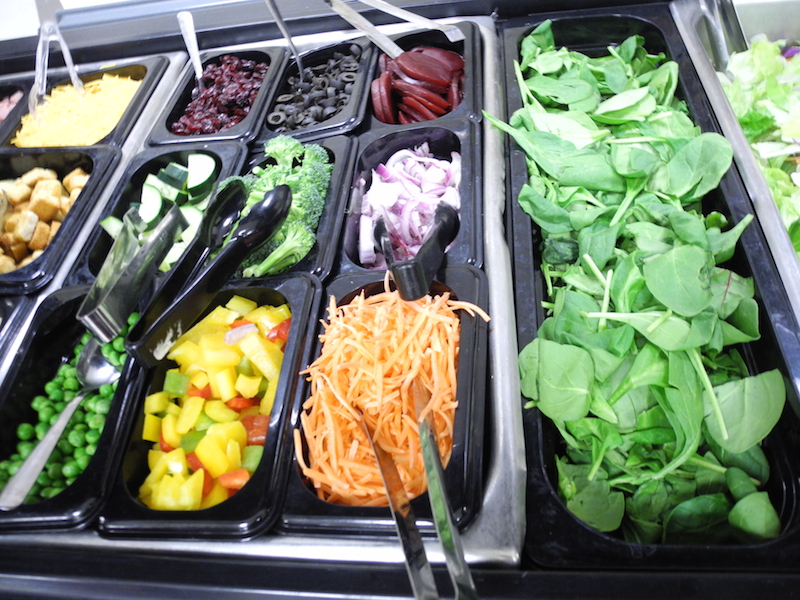
THE MARGINAL: This is not a terrible photo and you certainly get the idea that this is nice salad bar with a variety of offerings. But with no adjustment for the florescent lighting, the colors are not very appetizing. The problems are compounded because the photo is also slightly out of focus. (Remember, salad bars are often on wheels so you can roll them over to a window for photographing.)

Washed out salad bar

Washed out colors in a beautiful salad bar

THE REAL NO-NOS: There are multiple problems with this photo but the lack of proper lighting makes everything worse. Notice too that the plastic wrap and other packaging reflects what light there is.

Not enough light, no natural light and plastic wrap make these items unappealing.

Not enough light, no natural light and plastic wrap make these items unappealing.

HOT TIP: If the lighting is not good where you want to take a school food photo, move the food toward natural light whenever possible. The best way to take better school food photos is practice, practice, practice. 

Rockin’ School Meal Photos: Post It, Pin It, Tweet It, Eat It (3 of 6)

Let’s be honest, great food photos of your school nutrition program are not an option – they are a necessity. With all the negative publicity about school meals, great photos are worth at least 1,000 words – and maybe 10,000+ views. Fortunately, fabulous photos are just a click away on your SmartPhone – IF you focus on SIX ELEMENTS every time you take a school food photo. We’re covering an element-a-day to get you ready for School Nutrition Employee Week, May 5th thru 9th. Be a HERO, take a great PHOTO.

STEP #3: PEOPLE. Happy kids + appealing school food + smiling school nutrition professionals = WIN, WIN, WIN. Including people in your school food photos is a wonderful addition IF you always observes these ABCs: (A) You have permission to share the photo of the individual; (B) All food safety practices are observed; and (C) The meal and service are in compliance with USDA regulations.

THE GREAT: Candid shots of students do not have to be perfectly composed to be perfectly wonderful. This is terrific photo from Bethel School Nutrition Program in Eugene, Oregon – even though it is a little out of focus. There’s a gorgeous variety of food on the tray and the smile shows how difficult it can be for children to chew through all that food in a short school lunch period.

Back-to-School in Bethel, Oregon.

Back-to-School in Bethel, Oregon.

THE MARGINAL: We love this photo too – and the students are wearing gloves while they help to peel carrots from a nearby farm for processing in the school kitchen. We would not use it, because their hair is not pulled back in all cases and, more importantly, they are working outside. Perceived problems with food safety trump local food and happy students every day.

Outdoor location makes this marginal as a school nutrition photo.

Outdoor location makes this marginal as a school nutrition photo.

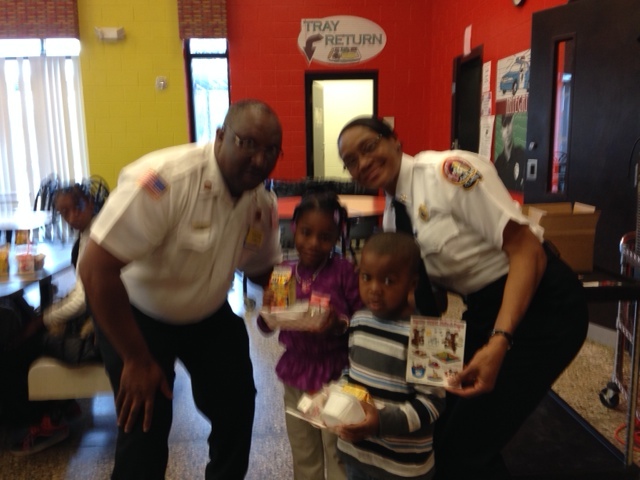
THE REAL NO-NOS: We really wanted to this photo to work because it showed local firefighters having breakfast with students during National School Breakfast Week – but we could not use it. Never, never post photos that are too dark and out of focus (stay tuned because we cover these topics next!)

Dark, out of focus photos just don't work.

Out of focus with poor lighting photos just don’t work.

HOT TIP: There is no need to show children’s faces in a photo. If you are worried about permission, just show their hands or the backs of their heads. And, ALWAYS remember, the best way to take better school food photos is practice, practice, practice. 

Rockin’ School Meal Photos: Post It, Pin It, Tweet It, Eat It (2 of 6)

In the wide world of social media, great photos of school meals are not an option – they are necessary for maintaining satisfied customers. Eye-catching photos are just a click away on your SmartPhone – IF you focus on SIX ELEMENTS every time you take a school food photo. To get you ready for School Nutrition Employee Week, May 5th thru 9th, we’re focusing on one element each day. Be a HERO, take a great PHOTO.

STEP #2: QUALITY. Honestly, if you are not proud of the food quality in your program, do not take a photo of it. Always start with high quality products that are as fresh as possible. Like the mantra for food safety, when taking school food photos, make sure that hot food is hot and cold food is cold.

THE GREAT: The quality of this lasagna lunch from Windham-Raymond, Maine (RSU#14) is apparent before you learn the back story. The noodles and tomato sauce are made in the school kitchen with local grass-fed beef – and the basil, greens, apple and milk are all local (some from the school garden). Director Jeanne Reilly works with a part-time district chef and Chefs Move to Schools to plan, grow, prepare and serve extraordinary meals – and it shows!

Housemade Lasagna (including the noodles) with local greens, apple and milk

Housemade Lasagna (including the noodles) with local greens, apple and milk

THE MARGINAL: This grab-n-go chicken salad is a great concept and it has some wonderful fresh ingredients. Sadly, the wrinkled tomatoes detract from the freshness, as does the bruise near the apple stem. (This photo also has problems with lighting, which we will discuss soon!)

Wrinkled tomatoes ruin the entire presentation.

Wrinkled tomatoes ruin the overall quality of the presentation.

THE REAL NO-NOS: This might be a delicious meal and very popular in some schools. Unfortunately, the lack of fresh produce (even the apple looks tired) and the limited colors make it unappealing to the eye. White styrofoam trays themselves make it hard to take good photos and they are an environmental ‘hot button’ in some communities.

Lack of fresh produce and limited colors make quality questionable.

Lack of fresh produce and limited colors make quality questionable.

HOT TIP: Want to see the highest quality school meals and photos in action? Visit the School Meals That Rock PINTEREST page, where from Windham-Raymond, Maine (RSU#14), and Provo, Utah, Schools, both have boards.

And, remember best way to take better school food photos is practice, practice, practice. 

Rockin’ School Meal Photos: Post It, Pin It, Tweet It, Eat It (1 of 6)

In today’s electronic world, great school food photos are not an option – they are essential for promoting your program and marketing your meals. Fortunately fabulous photos are just a click away IF you focus on SIX ELEMENTS every time you take a school food photo. We’re covering one element each day to get you ready for School Nutrition Employee Week, May 5th thru 9th. Be a HERO, take a great PHOTO.

STEP #1: BACKGROUND. Check natural backgrounds carefully – and create your own background when necessary. You’ve heard about the good, the bad and the ugly. Here’s the GREAT, the MARGINAL and the REAL NO-NOS of backgrounds for trays shots.

THE GREAT: This blue tray makes an ideal background for food. No food is naturally this color and even the milk carton pops against this background. The dark metal table behind the tray literally disappears and allows the food to be the ‘star.’ The photo is from Chef Chad Elliott, Decorah, Iowa, courtesy of Northeast Iowa Food and Fitness Initiative.

Decorah, Iowa, Food Day 2013

Decorah, Iowa, Food Day 2013

THE MARGINAL: This bright yellow background is too ‘hot’ for the tray of food. It distracts attention from the food on the tray and washing out some colors entirely. It’s a nice meal, but hard to enjoy with the background distraction.

Yellow Background

Yellow Background is TOO HOT!!

THE REAL NO-NOS: Never use a tray with swirled or marbled colors. It’s almost impossible to make food look appetizing on this background – and lots of unfortunate terms are often used to describe such food.

If you have trays this color, do not use them for photos.

If you have trays this color, do not use them for photos.

HOT TIP: Purchase or borrow a solid color tray in a deep primary BLUE, TEALDARK GREEN or BRICK RED. Use that tray for all meal photos – and take lots of photos of your meals. The best way to take better school food photos is practice, practice, practice. 

School Meals Are Rockin’ PINTEREST

TOP FIVE REASONS why Pinterest is perfect for promoting school meals:

  1. Social media trends are all about more visuals and fewer words. Sounds like the ‘power on pictures’ on the School Meals That Rock Pinterest page to us!
  2. You can go to just one board, like School Lunches That Rock, and see an inspiring array of school lunches from across the USA in one place.
  3. You can click on one link and see the truly incredible food being served in one district, like ITSMeals at Provo School District.
  4. Need some fresh ideas for serving food at school? See dozens of ideas on School Veggies That RockSchool Fruits That Rock or 40+ other boards.
  5. School Meals That Rock makes it easy and fun with our new district boards. We create a group board for you – and you pin as many photos as you want (we’ll re-pine the best of the best to our other boards too).

You get the advantage of our hundreds of followers – and we get to showcase the fabulous variety of foods served in schools today. Want ‘on board’? Just leave a comment or send a message to SchoolMealsThatRock@gmail.com – you’ll be up and pinning in no time!

Join School Meals That Rock on PINTEREST!

Join School Meals That Rock on PINTEREST!

Going Green from the Inside Out

Best wishes for healthy Happy St. Patrick’s Day filled with the luck of the Irish and lots of naturally green vegetables. 

  • Want to see how schools are serving delicious GREEN VEGGIES and much more? Follow us on Facebook: School Meals That Rock
  • Want the latest updates and fun tips on GREEN VEGGIES in school and more? Follow us on Twitter: @SchoolMealsRock 
  • Want hundreds of colorful photos of GREEN VEGGIES in school and much more? Follow us on Pinterest: School Meals That Rock
  • Want fabulous posters of GREEN VEGGIES and more for your school or office?       Visit USDA Team Nutrition Dig in Program – and poster page for downloads.
  • One example of fabulous Dig In Posters from USDA Team Nutrition

    One example of fabulous Dig In Posters from USDA Team Nutrition

    Want the latest updates and fun tips on GREEN VEGGIES in school and more? Follow us on Twitter: @SchoolMealsRock 

Kale Chips for 8,000 and Other Farm-to-School Successes

A version of this article originally appeared on The Huffington Post Green on October 14, 2013

The real food deliciousness of Farm to School efforts benefits everyone: The farmers and ranchers who grow food for local districts, school nutrition directors who know exactly where their food comes from, and – most of all – millions of students who enjoy fresh food right on their school trays.

The three pillars of a sustainable farm to school program are generally seen as Cafeteria, Classroom and Community. But there is fourth, equally important C – Champions! Successful farm to school programs are started, nurtured and harvested by champions at every step from the field to table. Here’s how three directors – three very cool school lunch dudes – from Maine to Montana are growing impressive farm to school numbers.

Thanks to Nutrition Services director Tyler Goodwin, students in the Wells-Ogunquit Community School District on the coast of southern Maine have a personal relationship produce on their lunch trays. It comes from the Spiller Farm, just two miles down the road and students help to pick it, clean it and prepare it. During September 2013 trips to the farm, hundreds of school kids picked 15 bushels (450 pounds) of green beans, 18 bushels (900 pounds) of red potatoes and 15 bushels (720 pounds) of apples (enough to supply the entire District for the next several months).

Maine student pick produce in local fields

Maine student pick produce in local fields

In fall 2013, Chef Tyler froze 10 bushels of carrots, also picked by student helpers. The final yield was 450 pounds of freshly picked, lightly steamed, very local frozen carrots for winter meals like veggie stir-fry, peas-n-carrots and candied carrots. Total time from field to freezer was less than four days, with a substantial decrease in overall carbon footprint. The environmental impact is important to the district’s Green Team, headed by 7th grade science teacher Saul Lindauer. The team is learning about and working to support centuries of farming heritage in Wells. According to Goodwin, fresh local produce makes a real difference in cafeterias too. “What I have noticed in all schools is healthier choices being made, kids are automatically selecting the required fruit or vegetable with lunch, and less waste than last year,” he reports.

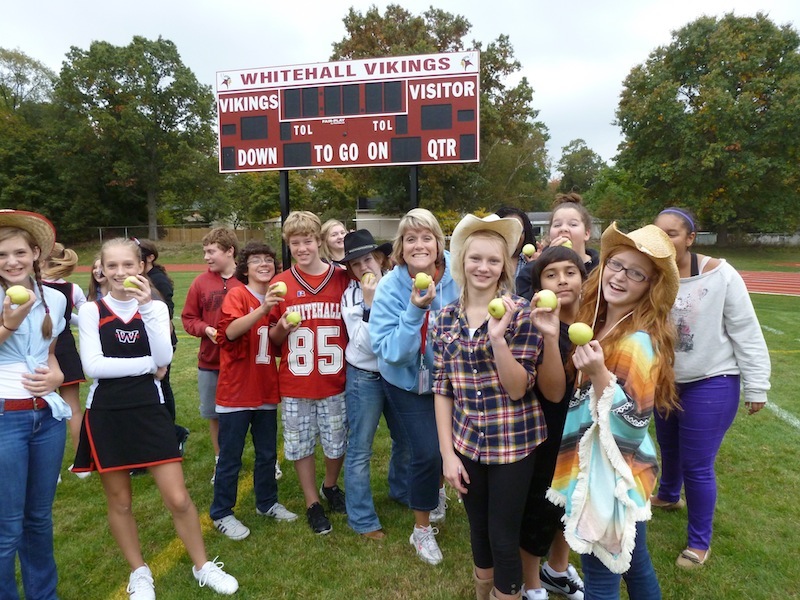
Deep in the apple orchards of Central Michigan, Dan Gorman, Food Service Director in Montague/Whitehall Schools focused on some big farm to school numbers too – world record numbers in this case! On October 24, 2013, he and the districts’ 4,000 students – plus at least 14,000 more in Muskegon County – regained the World Record for the “most people simultaneously eating an apple at one time.” Muskegon County held the world record (9,329) until last May when children in New Zealand schools upped it to 17,064 with the help of an apple company. Now the Michigan apple crunchers are back on top of the world record with 19,087!!

Michigan students love their apples!!

Whitehall, Michigan, students love their apples!!

Promoting healthy snacking, supporting local agriculture and generating record-breaking excitement are just some of Dan’s everyday efforts to bring fresh, local food to kids. When he switched the district’s milk contract to a local dairy that raises its own cows and crops, the farm was able to hire four new workers. In the elementary cafeterias, monthly Harvest Days highlight Michigan fruits, vegetables and herbs. Students get to touch, smell and taste fresh items with their lunch, guided by an adult community member or high school mentor. As chair of the 1 in 21 Education Committee, Gorman is – as always – focused on a much bigger goal. “Going for a world record is as American as apple pie, but the more important goal is making Muskegon county the healthiest county in Michigan by 2021,” he says.

Now, about the kale chips for 8,000: It happened for the second time on October 2, 2013, to celebrate National Kale Day in Missoula County Public Schools, Montana. In 2012, on a ‘dare’ from Jason Mandela of the PEAS (Program in Ecological Agriculture and Society) Farm, Food and Nutrition Supervisor Ed Christensen offered baked kale chips to every student in the district. While not shy about saying his kale chips are “the best,” Ed was impressed by how much the kids liked them. “It’s really pretty simple,” he says. “We use freshly picked kale, toss it with oil, sprinkle with a little salt, and bake slowly.” While olive oil adds nutty flavor and USDA commodity oil works fine, Christensen also likes to use Montana-grown safflower on his kale chips.

Ed Christensen makes kale chips for 8,000

Ed Christensen makes kale chips for 8,000

Kale is big on Christensen’s local veggie list because it’s so hardy, often the last thing harvested from the PEAS Farm. Chips are a great way to serve kale because they are like potato chips to kids. On a recent ‘smack down’ with a tasty raw kale salad, the crunchy chips won hands down. During this year’s Kale-abration, Ed saw savvy 3rd graders crushing the chips onto their pizza. About that pizza, the crust is 100 percent scratch, whole grain made with local Wheat Montana Prairie Gold flour and turkey pepperoni. Missoula schools are currently developing a scratch sauce to incorporate house-grown onions and herbs. Clearly Ed wants to do farm to school as many ways as possible – in a place with a growing season of about four months!!

Being a school nutrition director is a tough enough job without adding all the extra details of a farm to school program. Despite the demands, thousands of directors across the U.S. have stepped up to the plate — or lunch tray — to do what Tyler, Dan and Ed do in their districts. Why? So students can have the freshest, best tasting, most nutritious meals possible and be fit, well-nourished and ready to succeed.

Follow Dayle Hayes, MS, RD on Twitter: www.twitter.com/SchoolMealsRock